Yellow Boots #160 filed December 2008
The Road
This is the way the world ends: with both a bang, and a whimper
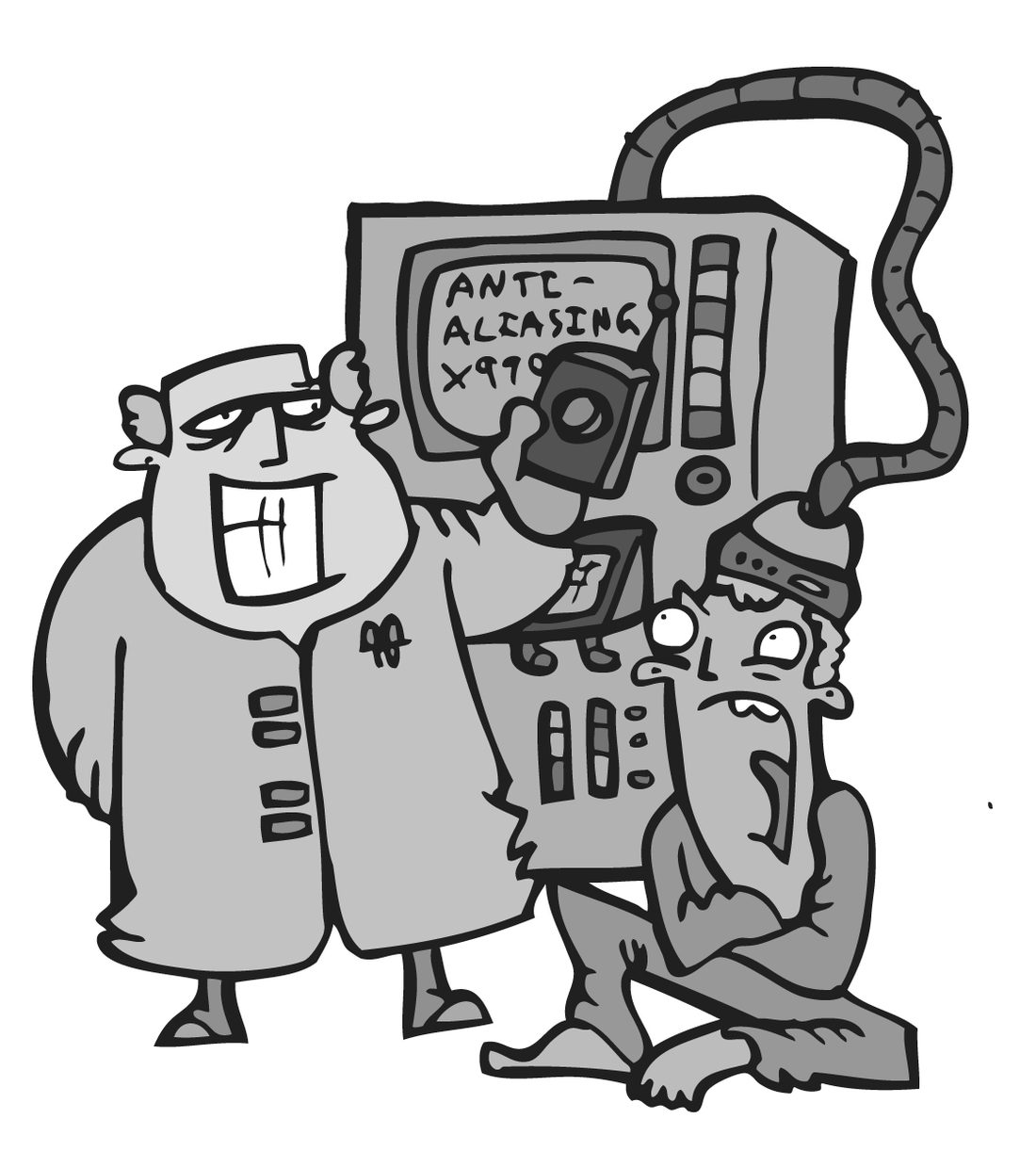
The road stretches out toward the grey horizon, cracked, potholed, empty. The first man shuffles slowly, his feet bound in garbage bags and duct tape. The second man walks by his side, more evenly but still with his back bent, almost broken.
Above them, ash drifts from the blank sky. Coating the road, coating the splintered remains of the trees. Coating the low walls, the rubble, the waste.
The men come to a crest, look out on the land. All in grey, or black, or ash. In the valley below, the remains of a town clutch at the remains of a riverbed. The men start down into the valley, joints aching. The wind is cold and bites at them.
The first man coughs, stumbles a little. The second man moves to comfort him, to support him with a spindly arm, but the first man shrugs him away angrily, stumbles again, almost falls. They walk on, in silence.
Down below them, in the valley, the air is still and the ash seems to hang, only sent drifting this way and that by eddies and the disturbance their bodies make as they pass. There is no life. The sun is a watery smudge, far beyond the blank sky. The first man wraps the remains of a tarp around his shoulders, and shivers.
“There must be something,” says the second man.
The first man grunts.
Among the shattered buildings they find the cast-off remains of looters: wrappers, empty tins, crushed boxes. Without enthusiasm, they sift through the piles of refuse, hoping to find a crust or rind. Something, anything edible. Anything to ease the tight knots in their bellies.
As night falls, they give up, and take shelter in a corner made by two half-tumbled walls. The second man gathers old newspapers and bits of cardboard, heaps them in a pile. He pulls out a rusted zippo lighter and with trembling hands coaxes a tiny flame onto the kindling. The fire spits, smokes and finally catches.
The zippo lighter is very nearly out of fuel. Neither man has flint.
“What happened to those matches?” asks the first man.
“We ate them,” says the second man.
“Oh yeah.”
The silence of the black evening. Ash patters down around them and after a while they can hear it. Incessant, unending. The ashfall. The first man wraps his arms around his head and weeps in great, silent, choking sobs.
Later, in the night, the ash has smothered the fire and the first man is sleeping, wrapped in his threadbare tarpaulin, shoulders hunched against the cold. The second man watches his companion, dark eyes thoughtful. There is a noise, like a dog growling or like something in a thick bog, shifting and turning. The second man’s stomach.
He regards his companion, sizing, cataloguing. Imagining how to dress the meat, how to section the body with only a tiny dull penknife. Ash settles on the tarpaulin, the tiny flakes coming to rest, only to rise and fall again with the first man’s breathing.
The second man thinks of smoke-houses. Of pickle jars. Of ways to preserve and prolong. To avoid the rot and corruption that has gripped the world since that afternoon so long ago. That afternoon when the sky turned to fire and the ash was thrown high up into the air to begin its long rain.
A blank eternity later, and it is morning. The blackness replaced by a greyness, and still the ash falls. An hour or so after light, the first man sits up, rearranges the tarpaulin, stares at the sky.
“There’s something wrong with my eyes,” he announces. “Things in the distance look strange. Dithered.”
“Dithered?” asks the second man.
“Yeah.”
“Try changing your anisotropic filtering settings,” says the second man.
The first man looks at him flatly, then rises. His joints pop and he grimaces, showing bloody gums. Two days ago, one of his front teeth fell out. He needs fruit, but all the fruit trees are dead.
They act out the small ritual of packing up their pathetic camp. The second man makes a half-hearted search in the garbage for some scrap of food. A cockroach scuttles out from a sheet of tin - the second man lunges for it, but the insect is too fast.
They drink rainwater from a blocked gutter, and it tastes of metal and ash. Neither needs to use the toilet. Eventually they cannot avoid the road any longer, and they set out. The first man in his frayed garbage-bag shoes, the second man in old boots.
As they walk, the first man studies the second man’s boots jealously. They are good, strong boots. They have already walked the road for months. They will last for months more. Longer than the men themselves.
The second man sees the first man studying his boots.
“What?” he asks.
The first man sighs. “I was trying to remember,” he says. “Trying to remember the colour of your boots.”
The second man looks up into the sky, ash falling and catching on his eyebrows, eyelashes, cheeks.
“Yellow,” he says. “They used to be yellow.”
The first man sighs and shrugs off the tarpaulin. He used to be fat. Now skin hangs from him in grotesque folds. He looks around at the ruined, emptied world.
“Damnit,” says Victor Ninox, “This sucks. I told you not to cut the red wire.”